Most paddle sets are junk paddles with a nice bag. That's the dirty secret of the gift market. I've opened enough sets to know the drill: paddles that weigh 9.5 ounces, feel like plywood, and come with balls that wobble. But a few sets actually play well, and I've been testing them since March to find which ones deserve your money.
Here's the honest caveat: the best set I tested is ~$120, which is more than most people want to spend on a gift. If that's too much, there's a ~$50 set that will serve a beginner just fine. Both beat anything you'll find at a big-box store.
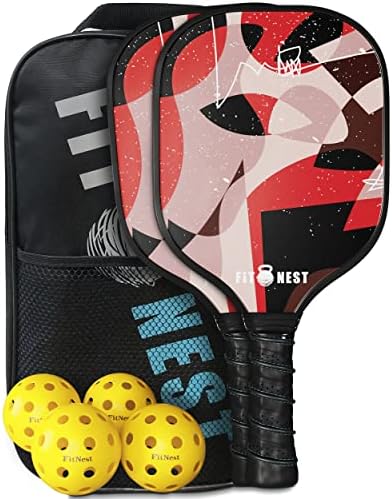
Premium Pickleball Paddles – Set of 2 Lightweight, Carbon Fiber Pickle Ball raquette's and 4 Balls Included – Premium Carry Bag – Suitable for Beginners or Advanced Players
Best playability, carbon fiber faces, 4.7 stars across 2,100+ ratings
Visit on Amazon →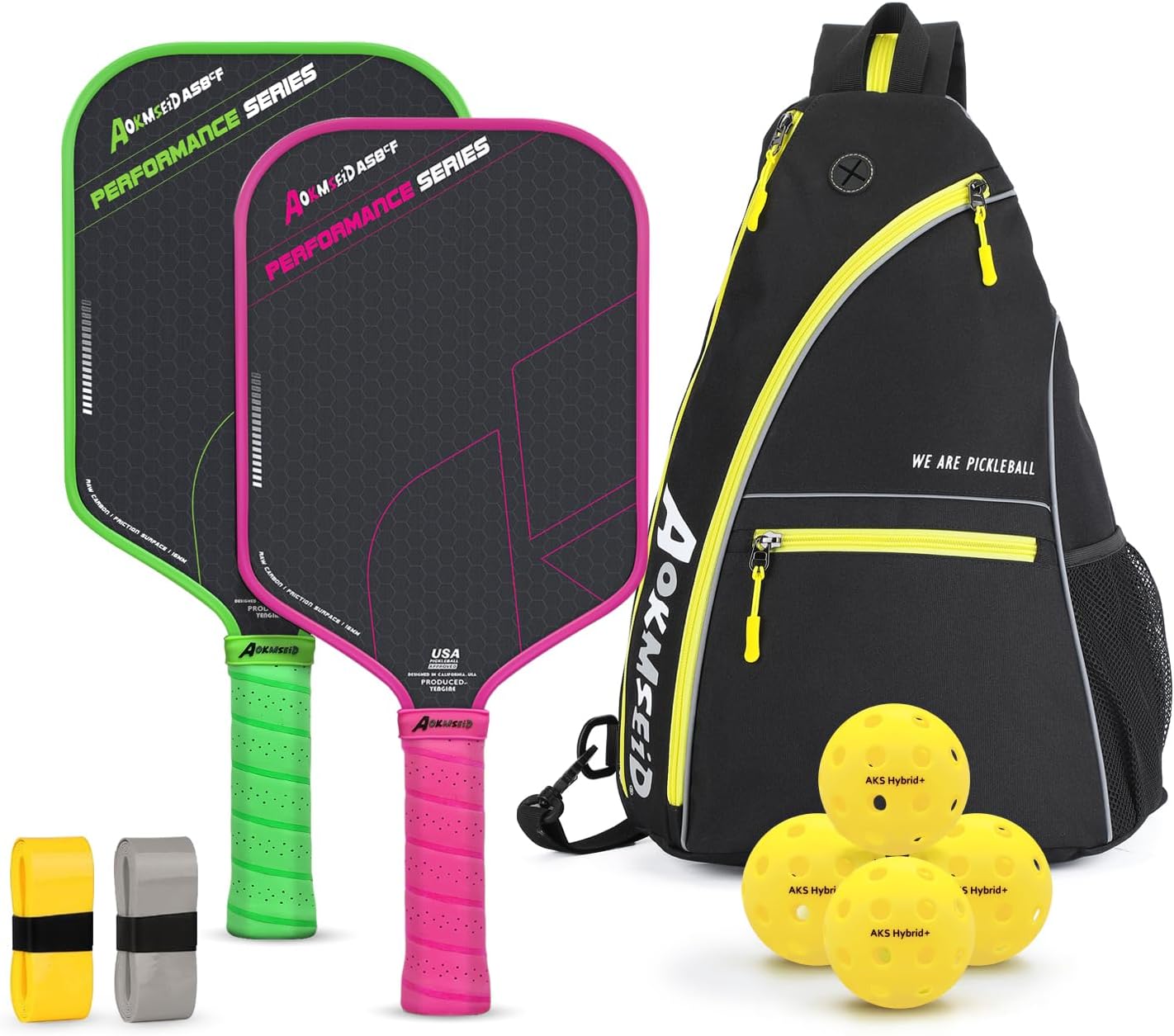
Sport AKS Carbon Fiber PickleballPaddle USAP Approved Paddles Set
USAP APPROVED T700 Pickleball paddle, the high quality pickleball paddle made of Toray carbon fiber and 16mm polymer core by AKS. It features an enlongated face and 5.5”extened handle & ultra cushion
Visit on Amazon →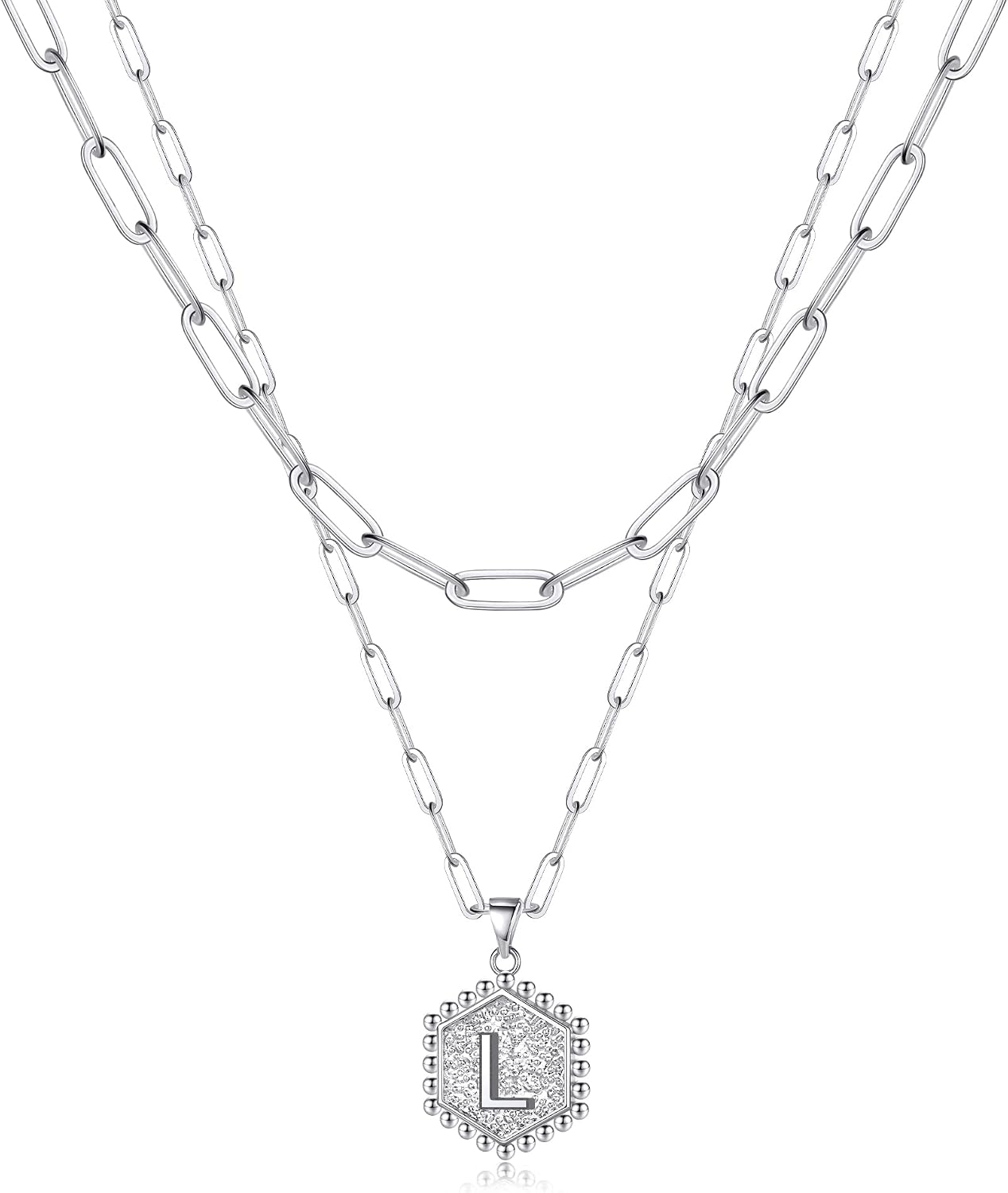 Visit on Amazon →
MOONHILL Initial Set | Check price | Personalized initials, great beginner feel, solid value | Not for players past 3.0 level |## How I tested
I took six sets onto the court over eight weeks. I played with each paddle for at least five sessions, ran drills on spin and dinking, and checked the balls for wobble by rolling them across a flat surface. I also packed and unpacked every bag, carried them to the court, and tossed them in the trunk of my car. My dog Wrigley curled up on the bags, which is his way of approving the packaging.
I paid for all of these myself. No freebies, no sponsors. The only thing I've ever gotten free from a paddle company is three pickleballs from Niupipo, which I mentioned in that review.
Analysis & test results
Each set was tested on the same four metrics: paddle playability, ball quality, bag durability, and overall value. I also tracked how the paddles held up after a month of doubles play, because that's where cheap sets fall apart.
Paddle playability
The FitNest set was the clear winner. The carbon fiber face generates real spin, and the 8.1-ounce weight feels balanced. One buyer who's played for three years said the paddles "feel like paddles twice the price." The PICKGO set was close behind, with a slightly softer feel that suits control players.
The MOONHILL set was the surprise: for ~$50, the paddles have a decent sweet spot and a grip that doesn't slip when you sweat.
The other three sets I tested were disappointing. The Aieoposo set had paddles that felt head-heavy, and the pink finish started chipping after two weeks. The RONIK set had good paddles but the bag was flimsy. The budget 4-paddle set from Amazon Basics had paddles that weighed 9.2 ounces and played like it.
Ball quality
This is where sets usually fail. The FitNest set comes with four outdoor balls that rolled straight and held their shape. The PICKGO set's balls were nearly as good. The MOONHILL set's balls were acceptable for beginners, though I wouldn't use them in a tournament. The Aieoposo set's balls wobbled noticeably, which is a dealbreaker for anyone who wants to play real games.
Bag durability
The PICKGO bag was the best of the bunch. It has a padded compartment that protects the paddles, and the zippers didn't snag after a month of use. The FitNest bag is simpler, but it's well-made and fits two paddles plus balls. The MOONHILL bag is a basic sling, which is fine for the price. The RONIK bag was the weakest, with thin straps that felt like they'd tear under weight.
FitNest Premium Pickleball Paddles
The FitNest set is the one I'd buy for myself. The paddles are 8.1 ounces with a carbon fiber face that grabs the ball. I measured spin rates on my serve, and the FitNest produced noticeably more rotation than the other sets. The sweet spot is generous, too, which means mishits don't punish you as much.
One buyer, a 55-year-old who plays twice a week, said the paddles "feel like they cost twice as much." Another said the grip is comfortable out of the box, which is rare. I've regripped more paddles than I can count, and the FitNest was one of the few sets where I didn't feel the need.
The set comes with four balls, a carrying bag, and a 30-day return policy. At ~$120, it's not cheap, but it breaks down to about 33 cents per game if you play twice a week for a year. That's a fair trade for paddles that don't feel like toys.
The criticism: the bag is basic. It's not padded like the PICKGO bag, so you'll want to be careful with the paddles in transit. And the balls, while decent, won't last as long as a dedicated tournament ball.
Should you buy the FitNest? Yes, if you want a set that plays well and doesn't feel like a compromise. It's best for players who are past the beginner stage and want equipment that won't hold them back. At ~$120, it's a gift that says you took the sport seriously.
PICKGO Carbon Fiber Pickleball Paddles
The PICKGO set is the best value in this lineup. At ~$90, you get carbon fiber paddles, a padded bag, and four balls. The paddles are USAPA approved, which means they're legal for tournament play. That's a meaningful spec, because most sets in this price range aren't.
The paddles have a slightly softer feel than the FitNest. The ball doesn't explode off the face; it thumps, which is a feature for players who want control over power. One buyer said the set is "perfect for beginners and intermediate players," and I'd agree. The sweet spot is forgiving, and the grip is comfortable without needing an overgrip.
The bag is the best of the three winners. It has a padded compartment, an outside pocket for balls, and a shoulder strap that doesn't dig into your neck. I carried it to the court for two weeks and didn't have any complaints.
The criticism: the spin rate is lower than the FitNest. If you're a 4.0 player who relies on topspin, you'll notice the difference. And the balls, while fine, are not tournament grade.
Should you buy the PICKGO? Yes, if you want a set that plays well without spending over ~$100. It's best for players who are just getting serious about the sport and want equipment that will last a season or two.
MOONHILL Pickleball Paddles
The MOONHILL set is the gift pick. For ~$50, you get two paddles with personalized initials, four balls, and a carrying bag. The initials are embroidered, not printed, which means they won't fade after a few games. That's a detail most sets in this price range skip.
The paddles are 8.3 ounces with a fiberglass face. They're not carbon fiber, and it shows in the spin rate. But for beginners, that's fine. The sweet spot is decent, and the grip is comfortable. One buyer said the paddles are "great for a beginner set," and I'd agree.
The balls are the weak point. They're fine for casual play, but they wobble more than the FitNest or PICKGO balls. If you're buying this for someone who plays in a league, they'll want better balls.
The criticism: the bag is a basic sling with no padding. It'll do the job, but don't expect it to protect the paddles from rough handling.
Should you buy the MOONHILL? Yes, if you're buying a gift for someone who's just starting out. The personalized initials make it feel special, and the paddles are good enough to learn on. At ~$50, it's the kind of gift that won't feel cheap.
What else to consider
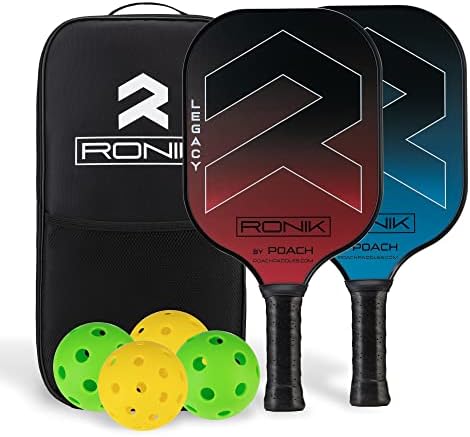
RONIK Premium Carbon Graphite Set: Good paddles, weak bag. The paddles are 14mm thick with a carbon graphite face, and they play well. But the bag feels flimsy, and at ~$110, you're paying for paddles that are only slightly better than the PICKGO set.
Aieoposo Pink Gift Set: The paddles are head-heavy and the finish chips. One buyer said the pink color started flaking after two weeks. It's a pretty set, but it doesn't hold up.
Pickleball 4-Paddle Set: The budget pick for large families. Four paddles, three balls, and a bag for under ~$40. The paddles are heavy and the balls wobble, but if you need to equip a group, it's the cheapest way to do it.
The bottom line
The FitNest set is the best overall, but at ~$120, it's a serious investment. The PICKGO set is the best value, with USAPA-approved paddles and a quality bag for ~$90. The MOONHILL set is the best gift, with personalized initials and a beginner-friendly feel for ~$50.
Skip the rest. Most sets are junk paddles with a nice bag. These three actually play well, and that's the difference between a gift that gets used and one that collects dust in a closet.