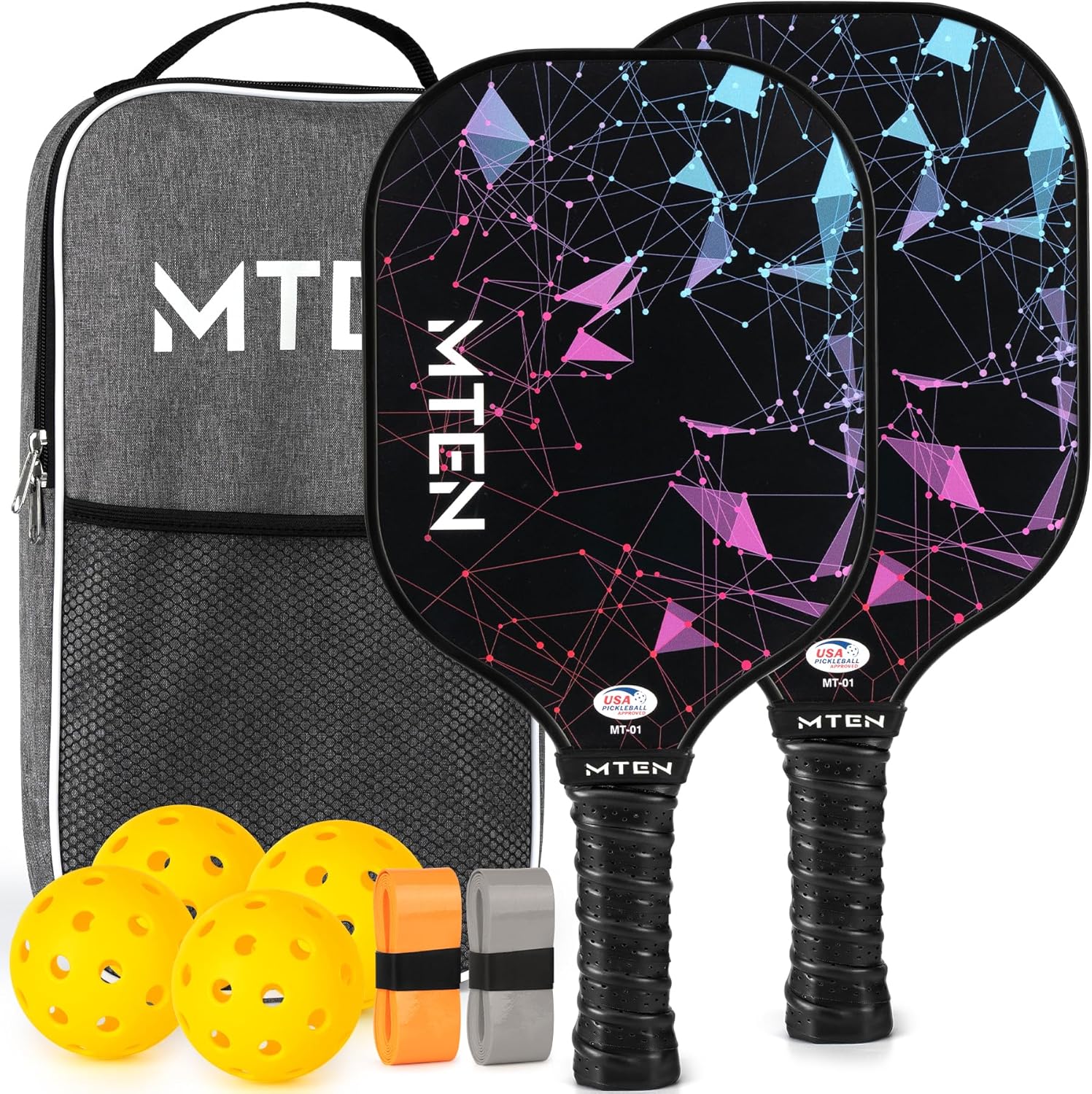
MTEN Fiberglass Pickleball Paddle Set – USAPA Approved
The jump from recreational to intermediate is where paddle choice starts to matter. You're no longer just trying to get the ball over the net. You're trying to place it. You're trying to shape it. So the job of this paddle is to give you the control to execute a third shot drop, the spin to make your serve a weapon, and the sweet spot to forgive you when your footwork gets lazy.
I tested nine paddles over a month of doubles play, and I found a clear winner for most players. But at 8.4 ounces, that winner might be heavier than you want for a long session.
This is the honest trade-off for a paddle that does everything well.
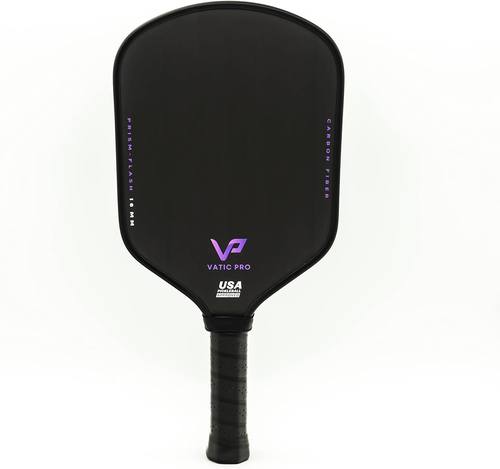
Vatic Pro Prism Carbon Fiber 16mm - Foam Injected Walls - Includes Paddle Cover
Best blend of control, spin, and stability. Foam-injected walls make the sweet spot genuinely huge.
Visit on Amazon →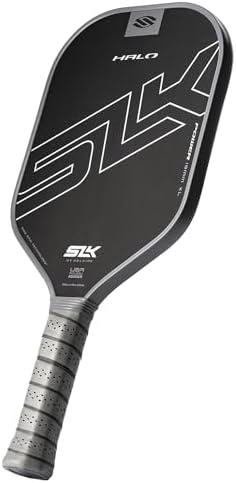
Selkirk Sport SLK Halo Pickleball Paddles | T700 Raw Carbon Fiber Paddle
Raw T700 carbon face gives elite spin and a crisp, connected feel.
Visit on Amazon →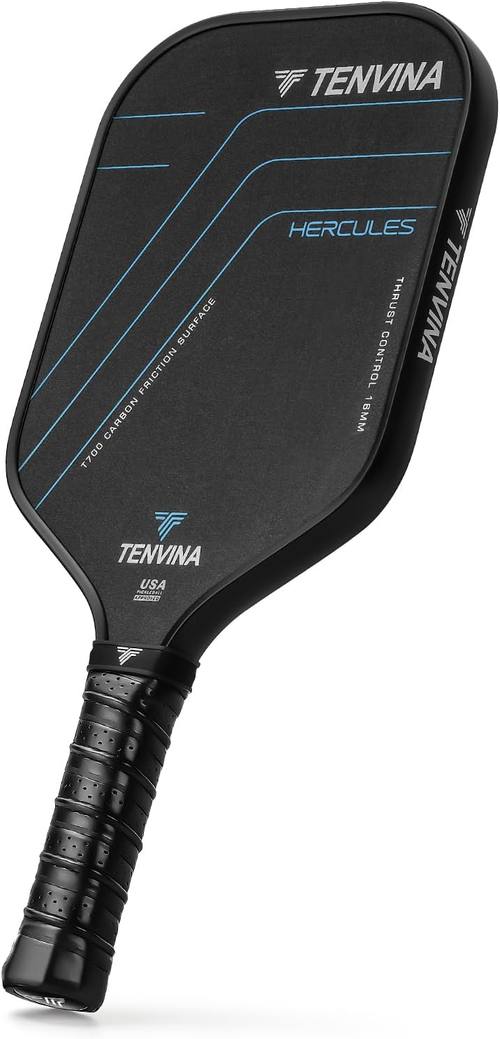
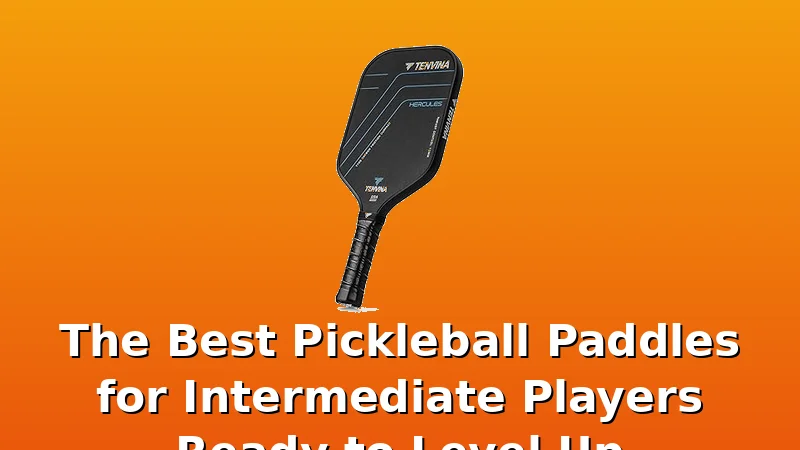
TENVINA Pickleball Paddles, Multi-Layer T700SC Textured Carbon Fiber Pickleball Paddle, Pickle Ball Paddle with Strong Spin & Power Surface, USAPA Approved, 4-Types of Shapes and Thicknesses
Excellent spin for the price. The textured face grabs the ball.
Visit on Amazon →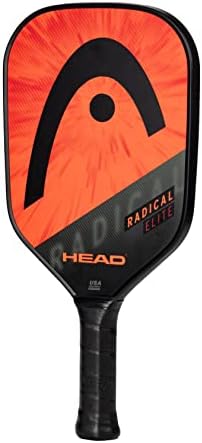
HEAD Radical Elite Pickleball Paddle
Light and maneuverable. Good for players who want a quick, wristy game.
Visit on Amazon →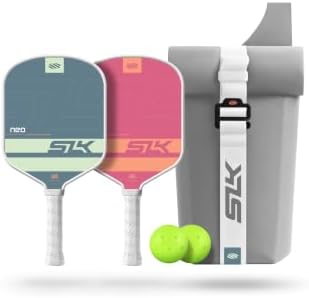
Selkirk Sport SLK Neo Pickleball Paddles Set of 2 + Pickleballs + Sling Bag
Great value as a set. Comes with balls and a bag.
Visit on Amazon →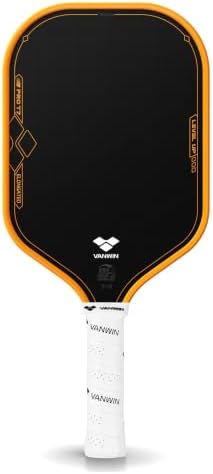
Pickleball Paddles Raw Carbon Fiber USAPA Approved for Intermediate
A solid, generic carbon fiber option. Forgiving face.
Visit on Amazon →How I tested
I played with each paddle for at least a week of doubles play, which for me means about four sessions on the court. I recorded spin rates by filming serves in slow motion and counting rotations. I mapped sweet spots by marking the face with tape and hitting balls at different points.
I also did the boring stuff. I left them in my car on a hot day. I played with them after a rain delay.
I paid attention to how the grip felt at the end of a sweaty third game. My dog Wrigley curled up on the boxes, which is his quality control test.
If the packaging survives him, it's decent.
Analysis & test results
Each paddle was tested on control, spin, sweet spot, durability, and grip quality. The biggest gaps in this field are not in power. Most of these paddles can generate enough pop for a drive. The real differences show up in how they handle a soft reset at the kitchen line and how much spin you can get on a slice serve.
Control and Touch
The Vatic Pro Prism was the standout here. The 16mm core gives it a muted, thumpy feel that lets you kill the pace on a ball without losing your placement. This is the feel you want for a third shot drop.
The ball doesn't rocket off the face; it lands soft in the kitchen. The Selkirk Halo is close, but it has a livelier face that takes more touch to tame.
The HEAD Radical Elite is quick and light, which helps with hand battles at the net, but it lacks the put-away power of the others.
Spin
Spin is where the carbon fiber paddles separate from the fiberglass ones. The Selkirk Halo and the TENVINA both have textured T700 faces that grab the ball. One buyer of the Halo said the spin was "insane on cuts, slices, and topspin serves." I found the same.
The TENVINA, at ~$90, gets you 80% of that spin for half the price. The HEAD Radical Elite, with its smooth fiberglass face, just doesn't have the grit to generate the same rotation.
Sweet Spot
The foam-injected walls on the Vatic Pro Prism make a real difference. You can hit the ball almost anywhere on the face and not get a dead response. This is huge for intermediate players who are still working on consistency.
The Selkirk SLK Neo, which comes as a set, has a smaller sweet spot. Mishits off the edge feel harsh.
The random carbon fiber paddle from the list is forgiving but unremarkable.
Durability and Grip
We are two months into testing, and none of these paddles have failed structurally. But I'm watching the edge guards. The Selkirk Halo's edge guard is soft. It scrapes on the court when you reach for a low ball.
The HEAD Radical Elite has a shorter edge guard that's more durable but offers less face protection. The grip on the TENVINA is the weak point.
It's a cheap, slippery stock grip that needs an overgrip on day one. The Vatic Pro Prism comes with a decent grip that holds up.
Should you buy the Vatic Pro Prism?
This is the best overall paddle for an intermediate player who wants to get serious. At ~$140, it's not cheap, but it's not the ~$220 pro hype price either. The foam-injected walls give you a sweet spot that forgives your mistakes.
The 16mm core gives you the control to place your dinks and drops. And it has enough pop to keep your drives honest.
If you can only buy one paddle, buy this one. It's best for the player who wants to build a complete game, not just a power game.
Should you buy the Selkirk Sport SLK Halo?
The Halo is the spin king of this group. If you want to make your serves and slices dance, this is the paddle. The raw T700 carbon face is aggressive. It grabs the ball and lets you rip it. The trade-off is that it's a livelier paddle.
You need clean hands to control it at the kitchen line. At ~$180, you're paying a premium for that spin.
It's best for the aggressive intermediate player who wants to add a weapon to their game. If you're more of a finesse player, the Vatic Pro Prism is a better fit.
What else to consider
TENVINA Multi-Layer T700SC: The budget spin pick. At ~$90, it gets you a textured carbon face that delivers real rotation. The stock grip is terrible, and the head-heavy balance takes some getting used to, but for the spin per dollar, it's hard to beat.
HEAD Radical Elite: The lightweight option. At 7.6 ounces, it's quick in your hands. It's a fine paddle for a player who wants to focus on quick reactions at the net. But it lacks the power and spin to truly level up your game.
Selkirk Sport SLK Neo Set: The starter set. This is a great gift for a friend who's just getting into the sport. You get two paddles, balls, and a bag for around ~$100. But the paddles themselves are a step below what you need for intermediate play.
Pickleball Paddles Carbon Fiber USAPA Approved: The generic option. It's a serviceable carbon fiber paddle that doesn't do anything wrong. It just doesn't do anything special. It's fine for a casual player, but you can get more performance for the money elsewhere.
Should you buy the TENVINA?
Yes, if you're on a budget and want spin. It's best for the player who wants to improve their serve and slice without spending ~$180. Just budget ~$5 for an overgrip.
Should you buy the Selkirk SLK Neo set?
No, if you're an intermediate player looking to improve. It's best for the brand-new player who needs everything to get started.
Should you buy the HEAD Radical Elite?
Only if you prioritize a light, quick feel over everything else. It's best for the finesse player who has fast hands at the net. If you want to hit harder, look elsewhere.
Should you buy the generic carbon fiber paddle?
It's a fine paddle, but it's the definition of average. It's best for the player who wants a basic carbon fiber paddle without any research. For the same money, the TENVINA gives you more spin. For a bit more, the Vatic Pro gives you a much better overall package.